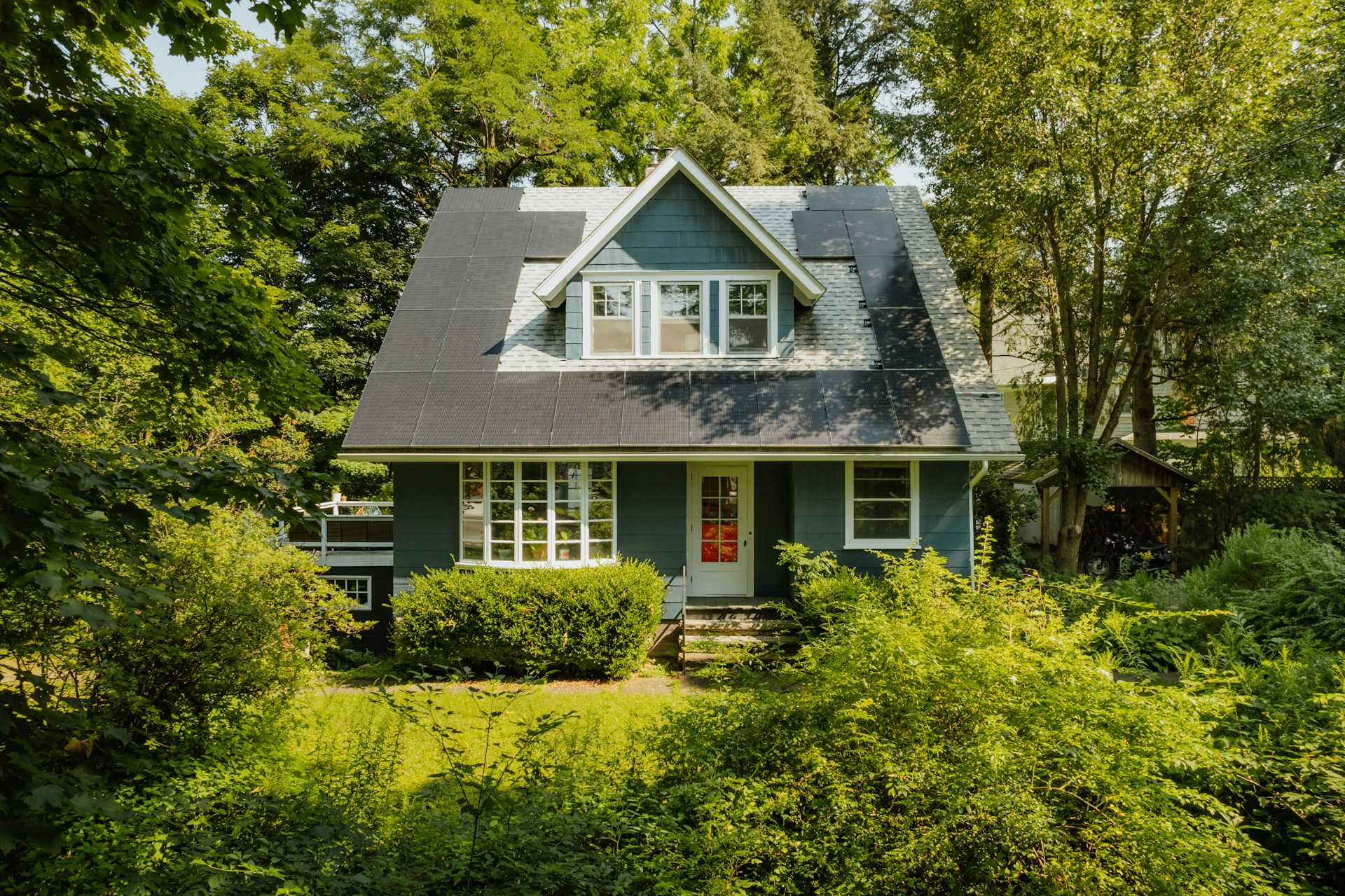

Property values across Buffalo change from one neighborhood to the next, sometimes even block to block. For buyers, sellers, or anyone curious about the real estate scene, understanding how each area holds its value can help shape smarter choices. Some neighborhoods have replaced vacant lots with newly built homes, while others balance updates with historic charm. As the fall season settles into Western New York, it’s a good time to take a closer look at how location shapes value in this region.
Whether you’re trying to sell or planning to buy, knowing how neighborhoods differ helps you set realistic expectations. Property values don’t just depend on square footage or the number of bedrooms. Local vibes, school zones, nearby parks, and even which grocery stores are close by can play off each other in ways that quietly shape the market.
Overview Of Buffalo’s Real Estate Market
Buffalo’s real estate market has gone through a noticeable shift over the past several years. Older homes have been flipped, new developments have popped up near the waterfront, and previously overlooked neighborhoods are getting more attention. Even though some areas are more established, things continue to shift as buyers explore different pockets of the city.
There isn’t one factor that drives home prices in Buffalo. It’s usually a mix of these:
– Walkability and nearby stores, parks, and restaurants
– School zone ratings
– Unique neighborhood features like historic homes or lake views
– Public transportation and highway access
– Flood zones and winter infrastructure differences
Some streets near downtown have modern condos that attract young professionals. A few blocks over, you’ll find two-story houses with front porches that families have lived in for generations. South Buffalo, for example, offers affordability with more space, while Elmwood Village feels closer to the action and culture, which can bump up price tags. Buyers in Buffalo often weigh the tradeoffs of budget versus neighborhood identity.
Fall is a reflective time in Buffalo. Summer projects wrap up, families are back into school routines, and there’s a small gap before snowfall begins. That makes it easier to focus on the home search and drill into which neighborhoods align with lifestyle and price goals. Many local buyers use this window to get serious, especially since winter weather makes it harder to plan showings.
The most helpful next step is often learning how one area compares to another. From places with early 1900s architecture to street corners filled with new builds and parks, each part of Buffalo offers a different experience along with different price points.
Spotlight On Popular Buffalo Neighborhoods
Each neighborhood in Buffalo offers something different, and that variety is reflected in property values. Some areas stand out for charm and walkability. Others attract with square footage and peace.
1. Elmwood Village
This area blends historic buildings with newer spots for dining and shopping. Homes here generally land in the mid-to-high range compared to other Buffalo areas. Buyers are often drawn to older character homes with original details. Victorian homes and colonial-style houses are common, mixed with a few condos near key intersections. The streets here are lined with mature trees, and fall drives through Elmwood can be especially scenic.
2. North Buffalo
Filled with families, small businesses, and community pride, North Buffalo balances peace and convenience. Compared to Elmwood, the homes here tend to be larger but priced a bit lower. Most houses are single-family homes with yards and detached garages. The stability of this area is supported by both long-term residents and newcomers seeing the value.
3. Allentown
Creative and full of personality, Allentown blends local art, music, and historic homes. Property values range widely depending on the block. Homes near main streets with galleries and local events generally attract higher prices. A few streets over, you’ll still find fixer-uppers offering potential. Allentown’s mix includes early 20th-century houses, smaller apartment buildings, and duplexes.
4. South Buffalo
With affordable prices and larger yards, South Buffalo is one of the most approachable areas for first-time buyers. Many of the homes were built in the post-war years, featuring practical layouts and durable builds. A tight-knit community and access to parks like Cazenovia and South Park keep this part of the city active. The pace feels slower here, and buyers often note how that experience differs from more central areas.
If you’re comparing these neighborhoods, think about what fits your current routine and what you may need a few years from now. Whether you’re chasing walkability, open space, or quiet streets, each neighborhood has its own hold on value.
Factors Impacting Property Values In Buffalo
Neighborhood charm and home design definitely weigh into property values, but there’s more to it than appearances. Real worth often comes down to things that make a home easier to live in or care for. Here are common factors that influence home price across Buffalo:
– Access to Amenities
Homes close to schools, public parks, grocery stores, and restaurants usually rank higher in value. Neighborhoods with easy walks to Delaware Park or Hertel Avenue tend to have homes that stay in demand.
– Historic Appeal
Old homes in Buffalo come with charm, but also upkeep. Buyers who are ready to take on renovation often drive prices up in Elmwood Village and Allentown, where historic features are the norm.
– Development Projects
Downtown and waterfront areas continue to see investment. Wildflower gardens, public markets, modern housing, and updated streets all contribute to rising values over time if they offer better daily living.
– Street Maintenance and Seasonal Prep
Buffalo winters shift the market in small ways that stack up fast. Homes with newer HVAC systems, solid roofing, and well-plowed streets stay more attractive. A rough winter can push maintenance costs, which buyers watch closely.
– Neighborhood Stability
Blocks where people stay long-term tend to grow value steadily. When neighbors take care of their homes and stay involved in local improvement, prices reflect that. On the other hand, high turnover or lots of vacant homes usually slow appreciation down.
Say you’re deciding between two similar homes: one near Delaware Park with updated insulation and a steady street, and the other a few blocks away with signs of wear and less foot traffic. Price alone doesn’t tell the story. These extra details add up quickly when weighing long-term return and comfort.
Navigating Your Home Search
Trying to figure out where to live in Buffalo means weighing lifestyle, budget, and future goals across different blocks. Some people chase convenience and culture. Others are focused on space or peace. There’s no right answer, just what works best for you.
A few tips can help make sense of the options:
1. Write out your real needs
Think clearly about must-haves compared to features you’d like. If being within five minutes of Route 198 helps your commute, use that to guide your search early.
2. Look past the house
The living room might draw you in, but check out the street too. Are the neighbors keeping up their yards? How tight are parking spots when the snow hits?
3. Ask about costs beyond the asking price
Two homes at the same price can come with very different monthly costs. Heating, taxes, and street plowing vary a lot between areas.
4. Visit during the right season
Fall works great for seeing how neighborhoods feel without snow piles or heavy summer traffic. It’s easier to picture year-round life when leaves are still out and lawns are visible.
5. Talk to someone who knows Buffalo
There’s always more to the story than what listing photos show. A local expert can explain why one side of the street sells faster or which streets get tricky when winter storms hit.
Starting with this kind of awareness changes how listings feel. It’s not only about finding a great house. It’s about where that house sits, how it lives day to day, and if it stands the test of time and season.
Your Next Step in Buffalo’s Real Estate Landscape
Understanding Buffalo’s neighborhoods means you can set better goals, ask better questions, and feel more confident whether shopping for a first home or thinking about resale value. The mix of character, convenience, and stability looks different in every pocket of the city.
Fall’s rhythm brings space for many buyers to dig into their search before the snow arrives. It also gives sellers a window to show homes while the weather cooperates. Elmwood’s edges, North Buffalo’s yards, Allentown’s creative pull, and South Buffalo’s room to grow all offer different paths depending on what you value most.
Knowing how a place holds its worth lets you weigh long-term options with a bit more peace of mind. It’s easier to plan your next move when you see the story behind the price tag.
As you explore options in the area, finding a home that suits your needs and fits your budget matters. Ready Home Go is here to help you navigate Buffalo with confidence, making sure you understand your choices each step of the way. Whether you’re buying or selling, knowing local property trends can make a big difference in how smoothly the process goes.