Getting a home inspected might not be the most exciting part of buying a house, but it’s one of the smartest steps you can take, especially in Western New York. The real estate market here has its own quirks. Homes can be full of charm and character, but that charm can also hide issues that aren’t visible at first glance. A thorough home inspection can reveal surprises before they become costly problems down the road.
Whether you’re exploring options in a quiet suburb like Hamburg or looking at an older home in Buffalo, an inspection helps you go in with open eyes. From leaky roofs to aging plumbing, there’s a lot that might be hiding behind fresh paint and new floors. A proper inspection offers peace of mind by letting you know what you’re really getting into and helps you make educated decisions.
What a Home Inspection Includes
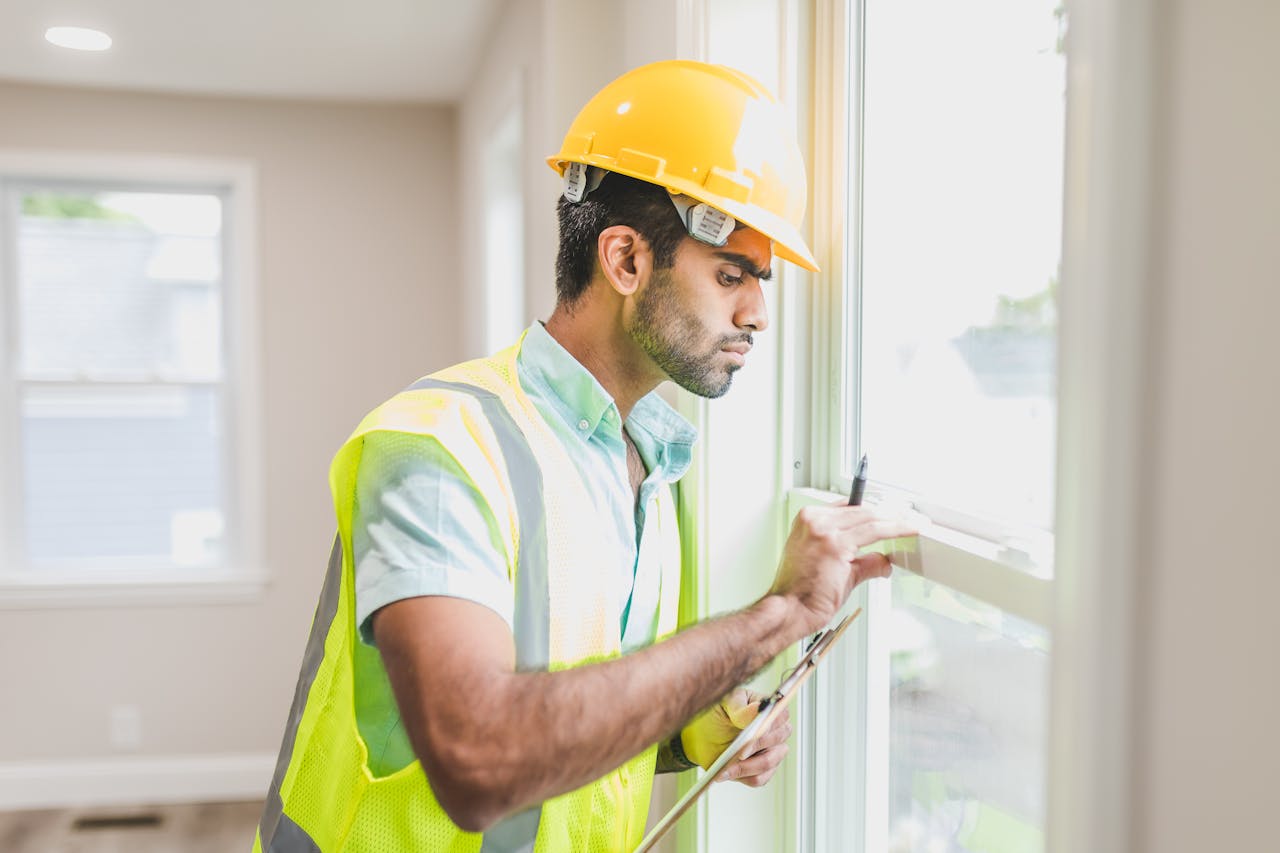
Home inspections focus on the key systems that keep a house running safely and efficiently. Inspectors aren’t just glancing around. They take a detailed look at:
1. Foundation – Checking for settling, cracks, or signs of water damage.
2. Roof – Inspecting shingles, gutters, flashing, sagging, or signs of leaks.
3. Plumbing – Checking for leaks, corrosion, and overall condition of pipes.
4. Electrical – Looking for outdated systems, missing safety components, or overloaded panels.
5. HVAC – Testing heating and cooling units for function and age.
In addition to these main areas, inspectors will assess attics, basements, crawl spaces, windows, doors, insulation, and visible structural elements. They’ll look at everything with a trained eye and give you a report that outlines what’s working, what’s aging, and what you may need to fix.
They won’t provide repair estimates or detailed service plans, but they will help you understand the current condition. Their job is to provide as much clarity as possible so you can make informed next steps before signing purchase papers.
Preparing for a Home Inspection
If you’re selling, preparing for an inspection shows buyers that your home has been cared for. Small efforts can help avoid unnecessary questions or delays. Sellers should:
– Keep all utilities on during the inspection.
– Clear access to major systems like the HVAC unit, hot water heater, electrical panel, and all attic or crawlspace entries.
– Replace burned-out light bulbs.
– Test smoke detectors and carbon monoxide alarms.
– Make sure doors and windows open and close properly.
Buyers, on the other hand, should plan to attend the inspection if they can. Walking through the home with the inspector lets you ask questions and get a clearer picture of what issues, if any, exist. If the inspector sees evidence of an aging roof or a potential plumbing concern, you can ask for their thoughts in real time rather than reviewing everything later in a written report.
Use this time to understand the systems in your future home. Ask how recently the HVAC system was serviced or if there are signs of insulation needing updates. It’s not just about what’s broken. It’s about knowing how the home works and what to plan for in the coming years.
Common Issues Found in Western NY Homes
Western New York homes, especially older ones, are often full of character but can also carry regional problems linked to their age and the area’s weather. One issue that shows up frequently in inspections is basement dampness. With the wet seasons and heavy snow we get, water often pushes into basements, especially if the home lacks proper drainage or grading. Musty smells, visible stains on concrete walls, or even signs of mold can be early indicators.
Roof wear is another recurring issue. Our winters are snow-heavy and long, which takes a toll on all types of roofing, from asphalt shingles to flat roofs. Inspectors will check for missing shingles, damaged flashing, and other signs that the roof may need repairs or replacement soon.
Additional problems you’ll often see in Western New York homes include:
– Drafty windows and doors due to old or cracked seals.
– Heating systems that are outdated or inefficient.
– Electrical issues from older homes still using knob-and-tube wiring or panels not up to today’s safety codes.
– Poor attic ventilation that can cause moisture buildup or affect insulation.
Homes built in the early 1900s may have aging mechanicals or unique designs that require updates. Even homes from the 1970s or 1980s might have hard-to-spot concerns like deteriorating ductwork or weakened floor joists. These aren’t things to fear, but you want to know about them before you move in.
Using Inspection Results to Negotiate
Once the home inspection is done and you have the report in hand, you can use that information during final negotiations. If issues show up that affect safety, integrity, or large ticket systems, it’s reasonable to ask for repairs or a better deal.
A well-written report allows you to:
– Ask sellers to fix specific items before closing.
– Request a credit at closing to cover the cost of future repairs.
– Counter with a lower offer based on the cost to update or fix a problem.
– Walk away if there’s a serious issue and no middle ground is found.
Focus on structural or system-related concerns more than cosmetic flaws. While chipped paint or scuffed floors might understandably catch your eye, they usually aren’t deal-breakers. It’s the plumbing leaks, foundation cracks, or blown insulation that can add real cost after moving in.
Your agent can help guide these conversations, but the inspector’s report is your professional backup. It brings objectivity to the table and helps both sides make fair decisions.
Why the Right Inspector Makes a Difference
Picking a qualified home inspector in Western New York isn’t just another step in the process. It can impact how confident you feel in your buying decision. Not all inspectors are familiar with the specific issues that pop up in this area, like snow load damage or aging boilers found in older homes. You want someone trained, certified, and experienced with local building styles and systems.
A great inspector does more than point out problems. They walk you through what they see, explain what repairs might involve, and show you serious warning signs versus small fixes that come with owning any property. That insight can give you peace of mind or help steer you toward negotiations if something more serious turns up.
When working with homes in a region known for long winters and aging housing stock, having someone local who has seen hundreds of similar properties counts in your favor. It can mean catching a roof nearing the end of its life or identifying signs of past water damage that’s started to return.
Spending a bit now for a home inspection can save you thousands later. Whether the report confirms that a house is in great shape or alerts you to a major fixer-upper, the knowledge is worth it. For Western New York buyers, especially new homeowners, there’s comfort in knowing you’ve made a safe and smart investment.
Explore the opportunities awaiting you by checking out Western New York homes for sale. At Ready Home Go, we’re here to connect you with the perfect property, ensuring that you make informed decisions backed by thorough inspections. Dive into our extensive listings and start your journey towards finding a home that truly suits your needs.