Winter in Western New York isn’t just about snow-covered streets and freezing temperatures. It’s a real test for your home. When temperatures drop, wind picks up, and icy conditions settle in, you need your space to keep up. A bit of planning ahead of time can help protect your investment and make long stretches indoors more comfortable.
Good winter home maintenance comes down to three things: keeping the heat in, the cold out, and everything in between working like it should. Whether you’ve lived through many Buffalo winters or it’s your first one here, taking some simple, smart steps before the weather gets worse can save you from costly issues down the line. Here are a few areas to focus on before deep winter sets in.
Preparing Your Heating System
Your heating system does the heavy lifting once fall turns to full winter. Give your furnace or boiler the attention it deserves before asking it to run nonstop for months. Doing a few basic checks now can help you prevent breakdowns later, when the temperature outside isn’t forgiving.
Here’s how to prep:
1. Check your furnace or boiler. Turn it on before the first cold snap to make sure it’s running smoothly. If it’s slow to start, making odd sounds, or putting out weak airflow, it could be a sign something’s off.
2. Change the filters. Dirty filters limit airflow, make your system work harder, and reduce the air quality in your home. Swap them out, especially if you haven’t looked at them since last winter.
3. Clear the vents. Walk through your home and make sure your floor or wall vents aren’t blocked by rugs, curtains, or furniture.
4. Test your thermostat. Sometimes issues start here, not in the furnace. Make sure your settings are accurate and that it responds when you change the temperature.
5. Ventilation is key. Check that flues and exhaust vents are clear. If something’s blocking the way out, like leaves, snow, or animal nests, it could create health risks and affect heating efficiency.
While you might be able to handle some of this yourself, scheduling an HVAC inspection before the deep cold sets in gives you better peace of mind. A licensed technician can flag issues before they become emergencies.
Winterizing Exterior Home Elements
Once your heating system is in good shape, look outside. The exterior of your home takes a beating in Western New York winters. Ice, snow, and rain can wear it down fast if left unchecked.
Pay attention to these areas:
– Gutters and downspouts: Clear them of leaves, twigs, and other debris. If water gets backed up, it can freeze and seep into your roof or siding. Make sure downspouts send water away from the house.
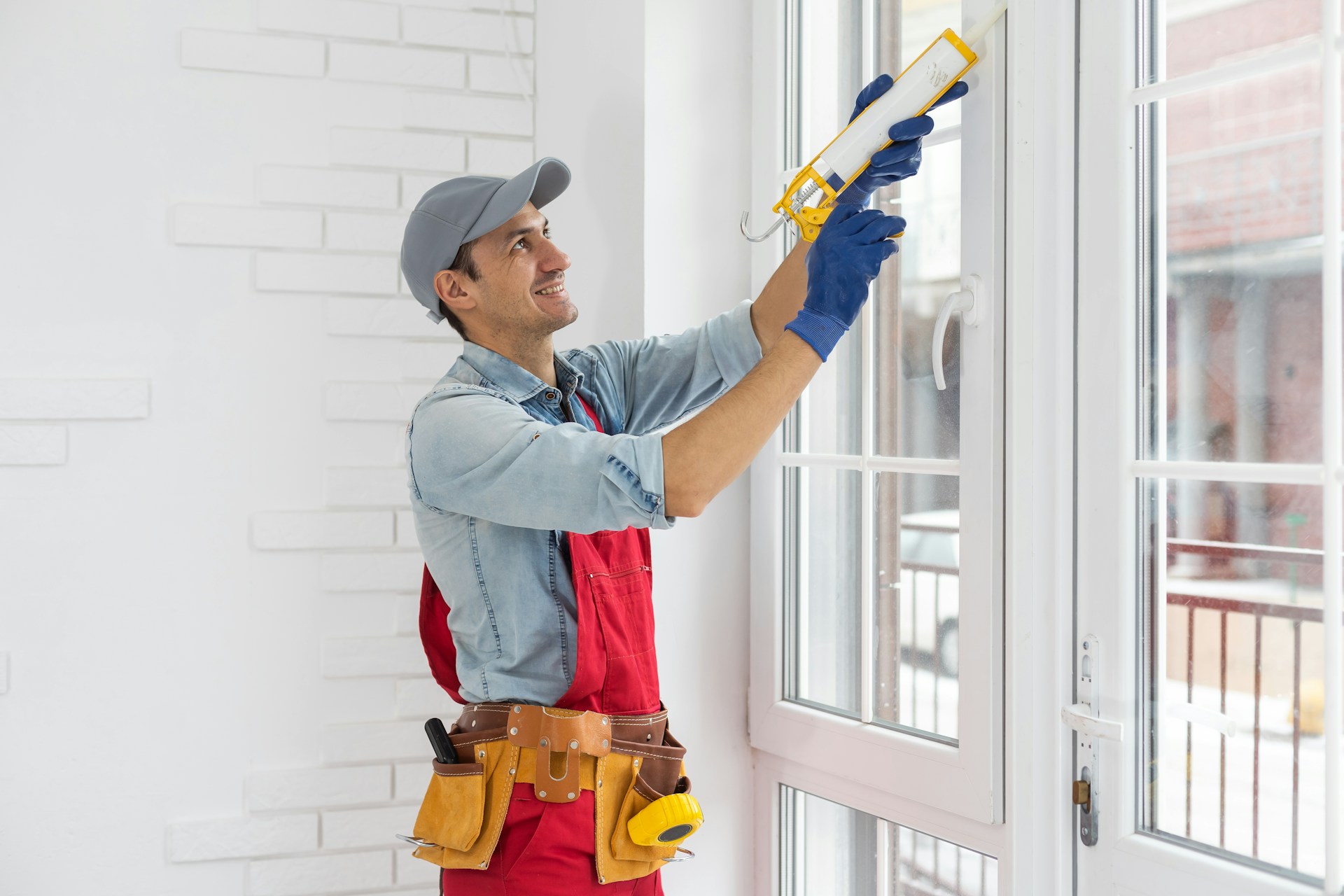
– Windows and doors: Feel around the edges for cold air drafts. If needed, add weather stripping. If your windows are older, plastic film insulation kits or draft tape can help hold in more warmth.
– Roof inspection: From the ground, look for missing shingles, sagging spots, or buildup. Snow is heavy, and weak points can turn into expensive leaks. Don’t climb up there yourself if you’re unsure. It’s best to call in a roofing professional.
– Outdoor spigots: Drain hoses and shut off outdoor water valves. Frozen pipes that run close to your foundation can burst and cause big headaches in spring.
– Driveway drainage: Check that water runs off instead of pooling. Standing water combined with freezing temps can lead to cracks and long-term damage. Direct runoff where it won’t refreeze and cause slippery spots.
Take a warm afternoon and do a walkaround to spot any issues. Fixing them before winter gets serious is the kind of prep that saves stress and money.
Protecting Your Plumbing
Frozen pipes can ruin a winter day in no time. It just takes one cold snap and a bit of poor insulation for a pipe to freeze and burst. The damage can be messy and costly, but it’s usually preventable.
Start by insulating pipes that are exposed to cold areas. That includes basements, crawl spaces, garages, and any areas near exterior walls. Foam sleeves are easy to install and inexpensive.
Be sure to keep your home at a steady temperature even when you’re away. Don’t set your thermostat lower than 55 degrees Fahrenheit if you’ll be gone for more than a day. Even better, leave cabinet doors open under sinks to let warm air flow around the pipes.
Heat tape is another option. It wraps around vulnerable pipes and supplies gentle heat to keep them above freezing. Just make sure you use it properly and on materials it’s designed for.
To put it in perspective, a homeowner in Tonawanda once left half the basement pipes bare, thinking that was enough. A record-low night hit, and a pipe inside the wall burst. Water soaked through drywall and flooring. The cleanup was a nightmare. A ten-dollar roll of pipe wrap could’ve prevented it all.
Preparing Your Home’s Interior
Now that the outside is handled, turn your attention indoors. You’ll be spending more time inside during the colder months, so make your space warm, safe, and practical.
Start by checking smoke and carbon monoxide detectors. Fireplaces, wood stoves, and fuel-burning appliances get more use in winter. Test each detector, replace old batteries, and swap out any unit older than ten years.
Next, think about insulation. Heat can escape through odd places like floorboards, crawl spaces, or trap doors to attics. Use foam sealants or insulation rolls to block leaks. Even small changes here can keep things warmer and reduce how hard your heating system works.
Planning to use your fireplace? Now’s the time for a full chimney cleaning. Creosote buildup can catch fire, and blockages can push smoke or fumes back inside. A chimney sweep can also spot cracks or loose bricks.
Finally, look at the little comfort pieces. Swap thin curtains for thermal ones, and lay down rugs on cold floors. Keep curtains closed at night and open during sunny days to help maintain indoor warmth without extra heating costs.
Keeping Driveways and Walkways Safe
Snow and ice are part of life in Western New York, but that doesn’t mean they need to be a hazard. With a few precautions, you can make outdoor areas safer for everyone.
Here’s what we suggest:
– Shovel early and often. Removing small amounts of fresh snow is easier than trying to chip away at compacted, icy layers.
– Use smart de-icing. Some salts damage surfaces or hurt plants. Pick a product that’s safe for your property and follow instructions carefully.
– Check your shovel and snow blower. A cracked handle or non-starting motor can delay clearing tasks. Get ahead of those surprises now.
– Lay out grit mats or sand on steps and walkways. These add traction and reduce slipping after snow starts to melt and refreeze.
– Make sure outdoor lights are working. Aim them toward walkways and stairs so you’re more likely to spot patches of ice at night.
With a little bit of upkeep, you can lower the risk of injuries and keep your property more accessible through the toughest parts of winter.
Get Ready Before the Snow Falls
Staying one step ahead of the season makes life easier. By taking care of basic winter maintenance in the fall, you protect your property and make daily living more comfortable.
You don’t have to do everything in one weekend. Even tackling small projects one at a time can help avoid costly repairs when temperatures hit hard. Checking in on your heating, sealing cold spots, and making sure your plumbing holds up are all smart moves.
Western New York winters bring a lot, but with a good prep plan, your home can take it in stride.
Getting a jump on winter home maintenance can make a difference for a cozy, trouble-free season. If you’re thinking about relocating, take a look at available Western New York homes for sale. Let Ready Home Go help you find a space that’s better equipped for the cold months ahead.